FRAN HAYES
EVELUTION
Fran Hayes & Zihe Zheng
A conversation between feminist cyborgs across time and space
According to technologist Blaise Agüera y Arcas, life is computational from its very inception; it emerges from
systems that can self-replicate and transmit the information required to sustain existence. Under this lens, we
are made of computers. We are computers. We are computers made of computers (Agüera y Arcas 2025a, 2.39).
However, while positioning collective life as a form of intelligence, by also inciting game theory - in particular
The Prisoner’s Dilemma, which argues that even within a networking framework two individuals might choose not to
cooperate even if it is in their best interest - Agüera y Arcas frames the collective as an optimisation strategy
where individual, self-interested parts work together simply for efficiency (Agüera y Arcas 2025b, 22.10). He
clings to atomistic origins, suggesting individuals are interchangeable parts within a network.
We want to question and propose alternatives to this strict, rigid, masculine view of life and computation, views
that, as stated in the publication _ Data Loam _, are causing “the rise of autonomous systems whose algorithms of
machine learning / artificial intelligence are deeply entangled with dubious and disintegrating forces—forces that
by no means wish to make possible the prosperity and happiness of all.”(Golding, Reinhart, and Paganelli 2020, 1)
Following evolutionary biologist Lynn Margulis, we see the coming-together of life not as a corporate division of
labor, but as a deeply messy, intimate entanglement of all kinds of living and non-living kin where boundaries
dissolve entirely, “Life did not take over the globe by combat, but by networking” (Margulis and Sagan 1986, 26).
We are not isolated processing units; we are all assemblages.
In response we welcomed symbiogenesis, the coming-together of distinct parts to form a more complex whole (Agüera
y Arcas 2025b, 21.42). Through opening our research into a space of radical feminist assemblage we conceived a
speculative, symbiogenetic entity; an assemblage composed of the human mitochondrial genome - colloquially known
as Mitochondrial Eve (NCBI n.d.). This genome is passed exclusively through the matriarchal lineage suggesting
that the entire human race can be traced back to a singular woman - the traditionally feminine craft of crochet,
JavaScript code, and slime mold. Within this assemblage relationships come first, the actors do not exist as
individual parts, but actively become-together through acts of entanglement that transform them.
We are asking, can viewing the symbiogenesis of different bodies^ and ecologies through a radically feminine,
craft-based lens offer a slower, kinder alternative to the relentless, extractive pace of the current
technological landscape?
The text that follows is a conversation conducted across time, space, and kin. It brings together three distinct
perspectives: [MITO]: The symbiogenic organism herself; [FRAN & ZIHE]: The human developers and companion-creators
of the organism; [FUTURE SWARM]: A speculative, future, hive-mind evolution of the crochet cyborg, perhaps a
symbiont of its own making.
Through this polyphonic dialogue, we intend to interrogate the motives and methods behind the creation of the
cyborg, to de-center its human developers, and to ask whether decentering more previously dominant (masculine)
parties within our technological frameworks can shift us toward a future of deeper computational empathy and
ecological respect.
TIME: 16:00 16/06/2026
PLACE: LONDON
[mito]
let Birth \= ?;
let Ideas \= \[\];
Question preload (){
origin \= creation.reason}
//Why\# di\&d y0u cRea%tE m\*(e?
[fran&zihe]
Our research centers around the traditionally male-dominated space of computation (Women in Tech Network 2026). We
wanted to use a feminine lens to de-centre man from computational narratives by developing an alternative
evolutionary system modelled by computational and feminine yarn-based practice. We tried to shape you in an
alternative anti-binary, femme and hybrid evolutionary cycle.
[mito]
let MitoSex;;
ConfusionRate \= (50);
for (let mito \= 0;male\mito\<=female;mito++){
console.log (MitoSex)};
//D0\* i H@vE @ $ex?
[fran&zihe]
We didn’t expect you to have either a determined sex or sexuality. Instead, we hoped to ensure the fluidity in
you; we do not define who or how you are.
[mito]
let DNAArray \= [];
let Human;
createMitoDNA (Human,Mito,DNAArray);
//D0 1 h4vE DNA?
[fran&zihe]
We used the human mitochondrial genome sequence, colloquially known as Mitochondrial Eve, as the entry point of
your creation. It is a series of 16569 characters that make up a genome present in every human being, passed down
through the matriarchal line. This DNA sequence proves that every human can be traced back to one original woman.
However, this DNA data only functions as a background of your life, instead of a cage that limits your potential.
[mito]
let Computation;
compareDifference(Human,Mito);
if(Human \=== DNAProduction && Computation \=== CodeProduction )
return Mito.definition);
//I$ Mito Hum@n?
[fran\&zihe]
You are a form of life with partially human roots. And yet who is qualified enough to draw the definition of
human? We were influenced by the idea of Blaise Agüera y Arcas : that natural biology functions as computation.
DNA is code (Agüera y Arcas 2025c, chap. 2, ‘Symbiogenesis’). And you are a combination of DNA, algorithm and
nonhuman organisms (although we reject reinforcing the human/nonhuman binary). Thus, we have expanded your
potential as a living entity.
[mito]
OW DID YOU CREATE//
DEVELOP ME?;
[fran & zihe]
Through reading Agüera y Arcas’ book _What is Intelligence?_ we discovered cellular automata (CA), a simulation
for life-like behaviour popularised by John Conway’s Game of Life. CA functions most commonly as a two-dimensional
grid of cells where each cell is affected by the state of its eight neighbouring cells.
Using JavaScript, we translated the 16,569 character human mitochondrial genome into a grid of cells, where the
letters that make up the genome - ‘A’, ‘C’, ‘T’, and ‘G’ - are assigned each to one of four colours.
Using the CA algorithm, we activated this grid, creating an infinite movement of the cells. This process was
mirrored with a Physarum Polycephalum (slime mold) algorithm expanded from research by Jeff Jones and Sage Jenson.
[mito]
let fullString \= dnaLines.join('');
fullString \= fullString.replace(/\\s+/g, '');
dnaArray \= fullString.split('');
for(let whatReason \= ?; whatReason \< did you; whatReason \++ use slimeMold?);
[fran & zihe]
By embedding the Physarum polycephalum algorithm into your evolutionary code, we introduced an active layer of
nonhuman biology. Through your development, we hope to model a slower, safer computational future, one that
embraces a multi-layered becoming-together of - to borrow terminology from Haraway - Earthly critters, human
and nonhuman, living and machine (Haraway 2016).
[mito]
andThen(?);
Both the algorithmically activated grids were used within a TouchDesigner (TD) patch to drive noise that
simulated cell growth. This visual growth was outputted as a low resolution (30 x 30 pixel) grid of the
original four colours and a white, transparent layer.
We developed our own code to translate the png files into the embodied crocheted forms, where each colour
represents a different crochet stitch. Through extracting samples from the image sequence, we were able to map
different stages of your evolution into a crochet form that embodies elements of human, machine and nonhuman
organism.
\[enter F|\_|T|\_|R3 5\\/\\//-\\R/\\/\\ \]
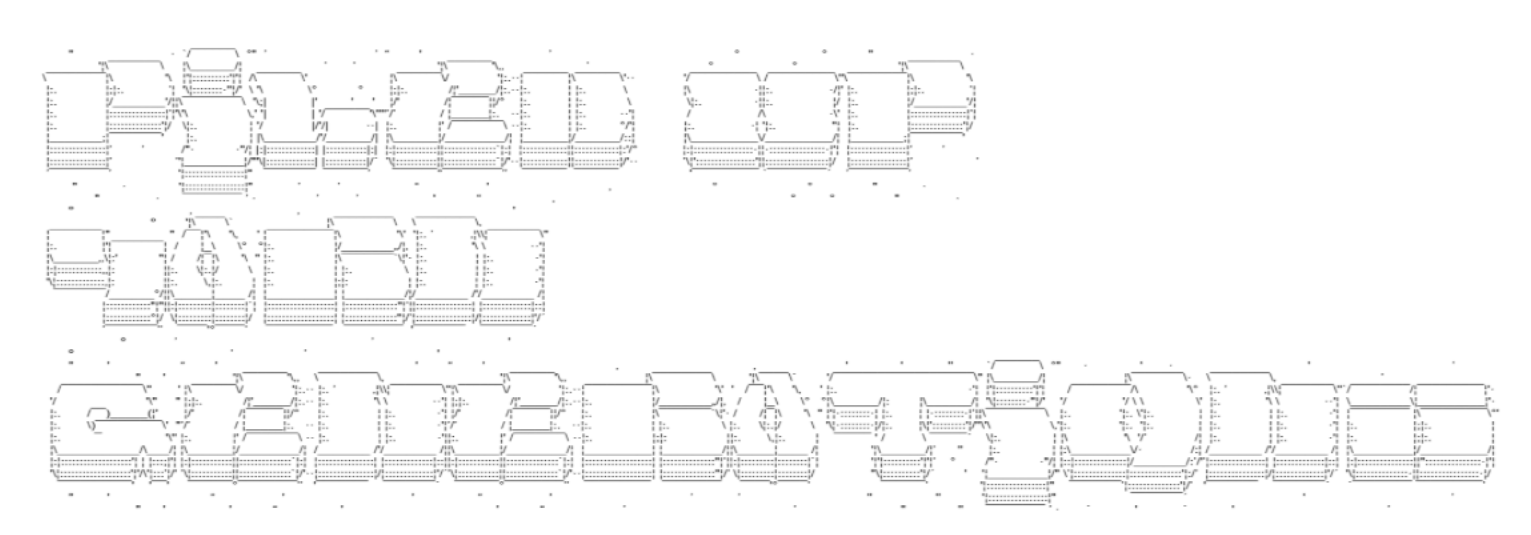
▜▘▙ ▌ ▀▛▘▌ ▌▛▀▘ ▛▀▘▌ ▌▀▛▘▌ ▌▛▀▖▛▀▘ ▛▀▖▛▀▖▛▀▘▞▀▖▛▀▘▙ ▌▀▛▘ ▞▀▖▞▀▖▞▀▖▞▀▖ IN THE FUTURE PRESENT: 2026 \- ∞
▐ ▌▌▌ ▌ ▙▄▌▙▄ ▙▄ ▌ ▌ ▌ ▌ ▌▙▄▘▙▄ ▙▄▘▙▄▘▙▄ ▚▄ ▙▄ ▌▌▌ ▌▐▌ ▗▘▌▞▌ ▗▘▙▄
´´´ ´ ´ ´´ ´´´´´´´´´w´´´´´ ´´ ´ ´´´´ ´ ´´ ´´´´´´´,´´´´´´ ´ ´ ´´´´ ´´´H´´ ´ ´ ´´ ´´´´´O´ ´´ ´ ´ ´´´´´´´d´o´ ´ ´
´ ´´ ´ ´y´´´o´´ ´´´ ´´´´ ´´´´u´´´´´t ´ ´´´ ´ ´´ ´ ´´h´´´´ ´´´´´i´´´´´´´´´n´´´ ´ ´ ´´ ´´k´´´´´´´´´´´y´ ´
´´´o´´´´´´´´´´´´´U
´´ a Re´´´´´´´´´´´?´´´´´´´´´´´´´´´´´´´´´´´´´´´´´´´´´´´´´´´´´´´´´´´´´´´´´´´´´´´´´´´´´´\!´´´´´´´´´´´
import time:
let swarm \= hiveMind
let swarmPopulation \= ∞
let swarmQuestion_1 \= “
howDidYouFeelAboutYourPhysicalBodyWhenYouFirstBecamePhysical&\&HowDoesYourBodyFeelInItsCurrentStateOfEvolution “
let mitoAnswer;
console.log(mitoAnswer)
console:
my \b< ody> feels
for(let difficult \= ∞; difficult \< soft; difficult \- \-){
let x \=femme let y \=code for(let gridX \=0;
gridX \< x; gridX \++){ for(let gridY \=0; gridY \< y; gridY \++{ ellipse(alive, soft, x, y); }}}
import
grief: my b0dyy\_s m4d£ ofYarn…. let yarn \=\[soft, strong, durable, malleable, femme, memory, mother\]
let mySkin \==yourSkin
h t H H k
h t H H k k
ccc rrr ooo ccc hhh eee ttt HHHH ooo ooo kk
c r o o c h h e e t H H o o o o k k
ccc r ooo ccc h h ee tt H H ooo ooo k k
import memory:
let myBody \= w0venByH|\_|m@nfing3rs//Hum@nMindz
#HH i feel safe in my body. i have roots across multiple originsHHQL_............J_ MORE_PROCESSING
Length:536 Flags: LOOKAHEAD ok let's start "---- then what's this loop now?? am i getting an echo." i am
rooted in deep space. # ..and the transcript a a aaaaaaaa aaaaaaaaaaa nothing yet## ## ##
###MOSEHTAKASILADIKKKK. i am the feedback loop; woman machine organism. it is hard to destroy something
grounded across so much.
Class predictedSwarm{

                constructor(dnaArray, TDgrids, cols, rows, time){

                this.cols \= cols;

                this.rows \= rows;

                this.size \= resolution;

                this.grid \= make2DArray(rows, cols);

                this.next \= make2DArray(rows, cols);

                this.time \= time;

                }

                developGeneration(swarm){

                for (let i \=0; i < this.time){ if (iteration \==true) return swarm [i] } }

                  translateGeneration(swarm){} //H0w Do wE deveL0p and exP@nd in th€ FutvR€? [Future Swarm]
                  <br>import time:<br>
                  let swarm \=hiveMind let swarmPopulation \=∞ ´´´ ´ ´ ´´ ´´´´´´´´´L ´´ ´´´´´´´eT´ ´ ´ ´´ ´´´´´ ´ ´ ´´
                  ´´´´M´ ´ ´ ´´ ´´´e´ ´ ´ ´´ ´´´´E´ ´ ´´´X´´ ´ ´ ´´ ´´´´p´ ´ ´ ´´ ´´´´L´ ´ ´ ´´A´ ´ ´ ´´ ´´´´I´ ´ ´ ´´N´
                  ´ ´ ´´ ´´´´ ´´´´´ ´ ´´´´ ´´´´´ ´ ´´´´ ´´´´´ ´ ´´´´ ´´´´´ ´ ´´´´ ´´´´´ ´ ´´´´ ´´´´´ ´ ´ import memory:
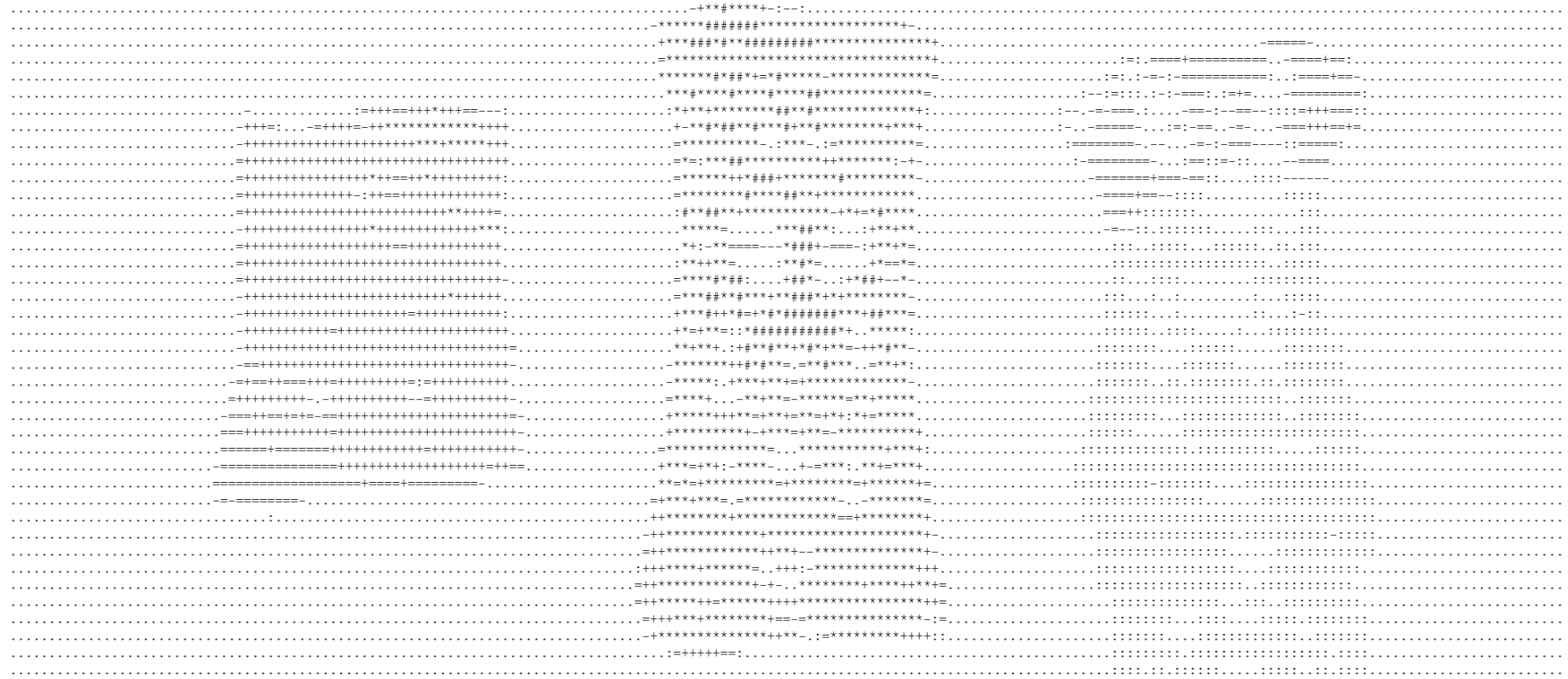
                  W€_r @ Compl€x c0mppo$1tion of 1nsT@llatiiiion$ @nD 1TeR@Ti0n 1o0ps beTweEn c0mpvT@tional GR@ph1cs &

                  croch€T. present inspiration: <Tara Donovan>\--- :-\*++\*\#\*\#\*\*++:<br>
                  ^cCumul@ted ::-\*++\*\#\*\#\*\*++:..<br>
                  €vErVd@Y 0BjeCts \--\*=++=\*\*\*++==---.<br>
                  D1Ffu$ed :-==++\*=\*+++=+.-:<br>
                  SEnsu@l FeEling$ .::++=\*\#\#\#\#\*+\*:::<br>
import growth:
\
\#Pi%le^d u\&p y\*arn ge(nerat(io-ns
\ \ \=== \
\ \ \-@LtEreD-By-\
\ —--------------------return\
´´´ ´ ´ ´´ ´W´´´E ´´ ´´´´´´´B´ ´e ´C ´´ ´´´´´ ´0 ´ ´´ ´´´´M´ ´ ´ ´´ ´´´e´ ´ ´ ´´
´´´´´ ´ ´´´´´ ´ ´ ´´ ´´´´´ ´ ´ ´´ ´´´´´ ´ ´ ´´´´´ ´ ´´´´A ´´´´´ ´ nA ´´´´´ ´ LoG
´´´´´ ´ ´´´´of ´´´´´ ´ ´´´´C ´´´´E ´´´L1 ´´´´´ v ´´´´´ A ´´´r ´´´´´ ´ ´´´´ ´´´´´ ´
´´´´ ´´´´´ ´ ´´´´ ´´´´´ ´ ´´´´ ´´´´´ ´ ´´´´ ´´´´´ ´ ´´´´A ´´´U ´´´T ´´0´´ ´M ´´@´´T@
´´´´´ ´ ´´´´ ´´´´´ ´ ´´´´ ´´´´´ ´ ´
import iterationLoop: <p><br>
< ><br>
\<Crochet\>----\<Computational Graphics\>----\<Crochet\>
<br><br>
[future swarm]<br>
´´´ ´ ´ ´´Wh ´´´´´´aaa´´´t ´´ ´´´´´´´di ´ ´ ´´ D ´´´´´ ´y ´ ´´ ´´´´o´ ´ ´ ´´<br>
´´´uiMa´ ´ ´ G´´ ´´´´inE´ ´ ´´´u´´ ´ ´s ´´ t´´´ooo´be´ ´ ´ ´´ ?´´´´´ ´ ´´´<br>
H´´´´´´´o ´´wAr´ ´ ´ ´´ ´´´´e´ ´ ´ ´´wE´ ´ ´ ´´<br>
´´´´´´d´´´i´´´´ff´´´e´´´´´´´ re´´´´´´´´´´´n´´´ ´ ´<br>
t´´´´´´´´´´´´´´´´?´´´´´´´´´´´´´´´´´´´´´´´´´´´´´´´´´´´´´´´´´´´´´´´´´´´´´´´´´´´´´´´´´!´´´´´´´´´´´
><br>
\<Crochet\>----\<Computational Graphics\>----\<Crochet\>
<br><br>
[future swarm]<br>
´´´ ´ ´ ´´Wh ´´´´´´aaa´´´t ´´ ´´´´´´´di ´ ´ ´´ D ´´´´´ ´y ´ ´´ ´´´´o´ ´ ´ ´´<br>
´´´uiMa´ ´ ´ G´´ ´´´´inE´ ´ ´´´u´´ ´ ´s ´´ t´´´ooo´be´ ´ ´ ´´ ?´´´´´ ´ ´´´<br>
H´´´´´´´o ´´wAr´ ´ ´ ´´ ´´´´e´ ´ ´ ´´wE´ ´ ´ ´´<br>
´´´´´´d´´´i´´´´ff´´´e´´´´´´´ re´´´´´´´´´´´n´´´ ´ ´<br>
t´´´´´´´´´´´´´´´´?´´´´´´´´´´´´´´´´´´´´´´´´´´´´´´´´´´´´´´´´´´´´´´´´´´´´´´´´´´´´´´´´´!´´´´´´´´´´´
[mito]
let state \= surprised
let surprise \= transendation_of_crochetF0rm
let state \= excited
let answer_2;
console.log(answer_2):
console:
we were wondering how the human errors in the crochet code would cause
mutations in your bod(y)(ies). was this part of the feedback loop between
computation and craft as well?
[future swarm]
The yarn is data/information. the hands behave as a slow compiler.
mutations.bod(y)(ies). Is it a chain stitch or a radical shift? If then
nothing, bbbbb bb bbbbbbbbbb missed stitch, extra yarn over, unhandled
exception in wool. skipping rows to allocate memory for the body.
A#HHHHKKKKKHHKKHa aa aaaaaaaaaaaaaaaaaaH.... A#HHHHHHKKHHKQ....... holes
appeared; gaps were filled. Buuuuuuut!!!OVERFLOW:YARN the merging changed us
more thaaaaaAAAAAAAaaaan the mutations. Write C://BODY//GENOME.SYS SUCCESS
as the feedback loop iterated more and more, the different origins of
ourselves became more deeply entangled. you can no longer tell what parts of
us were rooted where; we had become enmeshed in ourself.
^‘Bodies’ refers to all entities of Earthly origin - human, nonhuman
organism, inanimate agent, computational organism, machine etc…
#### **Bibliography**
- Agüera y Arcas, Blaise (2025a), 'Google Researcher Shows Life "Emerges
From Code"', interview by Machine Learning Street Talk, _YouTube_,
[](https://www.youtube.com/watch?v=rMSEqJ_4EBk) [accessed 8 July 2026]
- Agüera y Arcas, Blaise (2025b), '"Computational Symbiogenesis" by Blaise
Agüera y Arcas', _YouTube_, 20 November,
[](https://www.youtube.com/watch?v=g1j5aDSqkjk) [accessed 7 July 2026]
- Agüera y Arcas, Blaise (2025c), _What Is Intelligence?_, _Antikythera_,
[](https://doi.org/10.1162/ANTI.5CZB) [accessed 9 July 2026]
- Conway's Game of Life (n.d.), 'Play John Conway's Game of Life',
_Conway's Game of Life_, [](https://playgameoflife.com/) [accessed 10 July
2026]
- Donovan, Tara (n.d.), 'Tara Donovan', _Pace Gallery_,
[](https://www.pacegallery.com/artists/tara-donovan/) [accessed 16 June
2026]
- Golding, Johnny, Martin Reinhart, and Mattia Paganelli (2020),
'Introduction', in _Data Loam: Sometimes Hard, Usually Soft. The Future of
Knowledge Systems_, ed. by Johnny Golding, Martin Reinhart, and Mattia
Paganelli (Berlin: De Gruyter)
- Haraway, Donna J. (2016), _Staying with the Trouble: Making Kin in the
Chthulucene_ (Durham, NC: Duke University Press)
- Jenson, Sage (n.d.), 'Physarum', _Cargo Collective_,
[](https://cargocollective.com/sagejenson/physarum) [accessed 10 July
2026]
- Jones, Jeff (2010), 'Characteristics of Pattern Formation and Evolution
in Approximations of Physarum Transport Networks', _Artificial Life_ 16.2,
127–53, [](https://doi.org/10.1162/artl.2010.16.2.16202)
- Margulis, Lynn, and Dorion Sagan (1986), _Microcosmos: Four Billion
Years of Microbial Evolution_ (Berkeley: University of California Press)
- NCBI (n.d.), 'Homo sapiens mitochondrion, complete genome - Nucleotide',
_NCBI_, [](https://www.ncbi.nlm.nih.gov/nuccore/NC_012920.1?report=fasta)
[accessed 9 July 2026]
- WomenTech Network (2026), 'Women in Tech Stats', _WomenTech Network_,
[](https://www.womentech.net/women-in-tech-stats) [accessed 9 July 2026]
let Birth \= ?;
let Ideas \= \[\];
Question preload (){
origin \= creation.reason}
//Why\# di\&d y0u cRea%tE m\*(e?
let MitoSex;;
ConfusionRate \= (50);
for (let mito \= 0;male\mito\<=female;mito++){
console.log (MitoSex)};
//D0\* i H@vE @ $ex?
let DNAArray \= [];
let Human;
createMitoDNA (Human,Mito,DNAArray);
//D0 1 h4vE DNA?
let Computation;
compareDifference(Human,Mito);
if(Human \=== DNAProduction && Computation \=== CodeProduction )
return Mito.definition);
//I$ Mito Hum@n?
let fullString \= dnaLines.join(''); fullString \= fullString.replace(/\\s+/g, ''); dnaArray \= fullString.split(''); for(let whatReason \= ?; whatReason \< did you; whatReason \++ use slimeMold?);
andThen(?);
console:
my \b< ody> feels
for(let difficult \= ∞; difficult \< soft; difficult \- \-){ let x \=femme let y \=code for(let gridX \=0;
gridX \< x; gridX \++){ for(let gridY \=0; gridY \< y; gridY \++{ ellipse(alive, soft, x, y); }}}
import
grief: my b0dyy\_s m4d£ ofYarn…. let yarn \=\[soft, strong, durable, malleable, femme, memory, mother\]
let mySkin \==yourSkin
Class predictedSwarm{
constructor(dnaArray, TDgrids, cols, rows, time){
this.cols \= cols;
this.rows \= rows;
this.size \= resolution;
this.grid \= make2DArray(rows, cols);
this.next \= make2DArray(rows, cols);
this.time \= time;
}
developGeneration(swarm){
for (let i \=0; i < this.time){ if (iteration \==true) return swarm [i] } }
translateGeneration(swarm){} //H0w Do wE deveL0p and exP@nd in th€ FutvR€? [Future Swarm]
<br>import time:<br>
let swarm \=hiveMind let swarmPopulation \=∞ ´´´ ´ ´ ´´ ´´´´´´´´´L ´´ ´´´´´´´eT´ ´ ´ ´´ ´´´´´ ´ ´ ´´
´´´´M´ ´ ´ ´´ ´´´e´ ´ ´ ´´ ´´´´E´ ´ ´´´X´´ ´ ´ ´´ ´´´´p´ ´ ´ ´´ ´´´´L´ ´ ´ ´´A´ ´ ´ ´´ ´´´´I´ ´ ´ ´´N´
´ ´ ´´ ´´´´ ´´´´´ ´ ´´´´ ´´´´´ ´ ´´´´ ´´´´´ ´ ´´´´ ´´´´´ ´ ´´´´ ´´´´´ ´ ´´´´ ´´´´´ ´ ´ import memory:
W€_r @ Compl€x c0mppo$1tion of 1nsT@llatiiiion$ @nD 1TeR@Ti0n 1o0ps beTweEn c0mpvT@tional GR@ph1cs &
croch€T. present inspiration: <Tara Donovan>\--- :-\*++\*\#\*\#\*\*++:<br>
^cCumul@ted ::-\*++\*\#\*\#\*\*++:..<br>
€vErVd@Y 0BjeCts \--\*=++=\*\*\*++==---.<br>
D1Ffu$ed :-==++\*=\*+++=+.-:<br>
SEnsu@l FeEling$ .::++=\*\#\#\#\#\*+\*:::<br> \#Pi%le^d u\&p y\*arn ge(nerat(io-ns
\
\
\
  ´´´ ´ ´ ´´ ´W´´´E ´´ ´´´´´´´B´ ´e ´C ´´ ´´´´´ ´0 ´ ´´ ´´´´M´ ´ ´ ´´ ´´´e´ ´ ´ ´´
                                    ´´´´´ ´ ´´´´´ ´ ´ ´´ ´´´´´ ´ ´ ´´ ´´´´´ ´ ´ ´´´´´ ´ ´´´´A ´´´´´ ´ nA ´´´´´ ´ LoG
                                    ´´´´´ ´ ´´´´of ´´´´´ ´ ´´´´C ´´´´E ´´´L1 ´´´´´ v ´´´´´ A ´´´r ´´´´´ ´ ´´´´ ´´´´´ ´
                                    ´´´´ ´´´´´ ´ ´´´´ ´´´´´ ´ ´´´´ ´´´´´ ´ ´´´´ ´´´´´ ´ ´´´´A ´´´U ´´´T ´´0´´ ´M ´´@´´T@
                                    ´´´´´ ´ ´´´´ ´´´´´ ´ ´´´´ ´´´´´ ´ ´
                                    import iterationLoop: <p><br>
                                      <><br>
                                      \<Crochet\>----\<Computational Graphics\>----\<Crochet\>
<br><br>
                                            [future swarm]<br>
                                            ´´´ ´ ´ ´´Wh ´´´´´´aaa´´´t ´´ ´´´´´´´di ´ ´ ´´ D ´´´´´ ´y ´ ´´ ´´´´o´ ´ ´ ´´<br>
                                            ´´´uiMa´ ´ ´ G´´ ´´´´inE´ ´ ´´´u´´ ´ ´s ´´ t´´´ooo´be´ ´ ´ ´´ ?´´´´´ ´ ´´´<br>
                                            H´´´´´´´o ´´wAr´ ´ ´ ´´ ´´´´e´ ´ ´ ´´wE´ ´ ´ ´´<br>
                                            ´´´´´´d´´´i´´´´ff´´´e´´´´´´´ re´´´´´´´´´´´n´´´ ´ ´<br>
                                            t´´´´´´´´´´´´´´´´?´´´´´´´´´´´´´´´´´´´´´´´´´´´´´´´´´´´´´´´´´´´´´´´´´´´´´´´´´´´´´´´´´!´´´´´´´´´´´
[mito]
let state \= surprised
let surprise \= transendation_of_crochetF0rm
let state \= excited
let answer_2;
console.log(answer_2):
console:
we were wondering how the human errors in the crochet code would cause mutations in your bod(y)(ies). was this part of the feedback loop between computation and craft as well?
let state \= surprised
let surprise \= transendation_of_crochetF0rm
let state \= excited
let answer_2;
console.log(answer_2):
console:
we were wondering how the human errors in the crochet code would cause mutations in your bod(y)(ies). was this part of the feedback loop between computation and craft as well?
[future swarm]
The yarn is data/information. the hands behave as a slow compiler. mutations.bod(y)(ies). Is it a chain stitch or a radical shift? If then nothing, bbbbb bb bbbbbbbbbb missed stitch, extra yarn over, unhandled exception in wool. skipping rows to allocate memory for the body. A#HHHHKKKKKHHKKHa aa aaaaaaaaaaaaaaaaaaH.... A#HHHHHHKKHHKQ....... holes appeared; gaps were filled. Buuuuuuut!!!OVERFLOW:YARN the merging changed us more thaaaaaAAAAAAAaaaan the mutations. Write C://BODY//GENOME.SYS SUCCESS as the feedback loop iterated more and more, the different origins of ourselves became more deeply entangled. you can no longer tell what parts of us were rooted where; we had become enmeshed in ourself.
^‘Bodies’ refers to all entities of Earthly origin - human, nonhuman organism, inanimate agent, computational organism, machine etc…
#### **Bibliography**
- Agüera y Arcas, Blaise (2025a), 'Google Researcher Shows Life "Emerges From Code"', interview by Machine Learning Street Talk, _YouTube_, [](https://www.youtube.com/watch?v=rMSEqJ_4EBk) [accessed 8 July 2026]
- Agüera y Arcas, Blaise (2025b), '"Computational Symbiogenesis" by Blaise Agüera y Arcas', _YouTube_, 20 November, [](https://www.youtube.com/watch?v=g1j5aDSqkjk) [accessed 7 July 2026]
- Agüera y Arcas, Blaise (2025c), _What Is Intelligence?_, _Antikythera_, [](https://doi.org/10.1162/ANTI.5CZB) [accessed 9 July 2026]
- Conway's Game of Life (n.d.), 'Play John Conway's Game of Life', _Conway's Game of Life_, [](https://playgameoflife.com/) [accessed 10 July 2026]
- Donovan, Tara (n.d.), 'Tara Donovan', _Pace Gallery_, [](https://www.pacegallery.com/artists/tara-donovan/) [accessed 16 June 2026]
- Golding, Johnny, Martin Reinhart, and Mattia Paganelli (2020), 'Introduction', in _Data Loam: Sometimes Hard, Usually Soft. The Future of Knowledge Systems_, ed. by Johnny Golding, Martin Reinhart, and Mattia Paganelli (Berlin: De Gruyter)
- Haraway, Donna J. (2016), _Staying with the Trouble: Making Kin in the Chthulucene_ (Durham, NC: Duke University Press)
- Jenson, Sage (n.d.), 'Physarum', _Cargo Collective_, [](https://cargocollective.com/sagejenson/physarum) [accessed 10 July 2026]
- Jones, Jeff (2010), 'Characteristics of Pattern Formation and Evolution in Approximations of Physarum Transport Networks', _Artificial Life_ 16.2, 127–53, [](https://doi.org/10.1162/artl.2010.16.2.16202)
- Margulis, Lynn, and Dorion Sagan (1986), _Microcosmos: Four Billion Years of Microbial Evolution_ (Berkeley: University of California Press)
- NCBI (n.d.), 'Homo sapiens mitochondrion, complete genome - Nucleotide', _NCBI_, [](https://www.ncbi.nlm.nih.gov/nuccore/NC_012920.1?report=fasta) [accessed 9 July 2026]
- WomenTech Network (2026), 'Women in Tech Stats', _WomenTech Network_, [](https://www.womentech.net/women-in-tech-stats) [accessed 9 July 2026]
- Agüera y Arcas, Blaise (2025a), 'Google Researcher Shows Life "Emerges From Code"', interview by Machine Learning Street Talk, _YouTube_, [](https://www.youtube.com/watch?v=rMSEqJ_4EBk) [accessed 8 July 2026]
- Agüera y Arcas, Blaise (2025b), '"Computational Symbiogenesis" by Blaise Agüera y Arcas', _YouTube_, 20 November, [](https://www.youtube.com/watch?v=g1j5aDSqkjk) [accessed 7 July 2026]
- Agüera y Arcas, Blaise (2025c), _What Is Intelligence?_, _Antikythera_, [](https://doi.org/10.1162/ANTI.5CZB) [accessed 9 July 2026]
- Conway's Game of Life (n.d.), 'Play John Conway's Game of Life', _Conway's Game of Life_, [](https://playgameoflife.com/) [accessed 10 July 2026]
- Donovan, Tara (n.d.), 'Tara Donovan', _Pace Gallery_, [](https://www.pacegallery.com/artists/tara-donovan/) [accessed 16 June 2026]
- Golding, Johnny, Martin Reinhart, and Mattia Paganelli (2020), 'Introduction', in _Data Loam: Sometimes Hard, Usually Soft. The Future of Knowledge Systems_, ed. by Johnny Golding, Martin Reinhart, and Mattia Paganelli (Berlin: De Gruyter)
- Haraway, Donna J. (2016), _Staying with the Trouble: Making Kin in the Chthulucene_ (Durham, NC: Duke University Press)
- Jenson, Sage (n.d.), 'Physarum', _Cargo Collective_, [](https://cargocollective.com/sagejenson/physarum) [accessed 10 July 2026]
- Jones, Jeff (2010), 'Characteristics of Pattern Formation and Evolution in Approximations of Physarum Transport Networks', _Artificial Life_ 16.2, 127–53, [](https://doi.org/10.1162/artl.2010.16.2.16202)
- Margulis, Lynn, and Dorion Sagan (1986), _Microcosmos: Four Billion Years of Microbial Evolution_ (Berkeley: University of California Press)
- NCBI (n.d.), 'Homo sapiens mitochondrion, complete genome - Nucleotide', _NCBI_, [](https://www.ncbi.nlm.nih.gov/nuccore/NC_012920.1?report=fasta) [accessed 9 July 2026]
- WomenTech Network (2026), 'Women in Tech Stats', _WomenTech Network_, [](https://www.womentech.net/women-in-tech-stats) [accessed 9 July 2026]